Reiki
REIKI is a Japanese method of natural healing based on the transfer of life energy (Rei-Ki) through the laying on of hands or by sending energy remotely. It is a holistic practice that affects a person on the physical, emotional, mental, and spiritual levels.
Reiki is not a religion or a cult; it is a spiritual practice of self-development and healing.
History and Origin of USUI REIKI
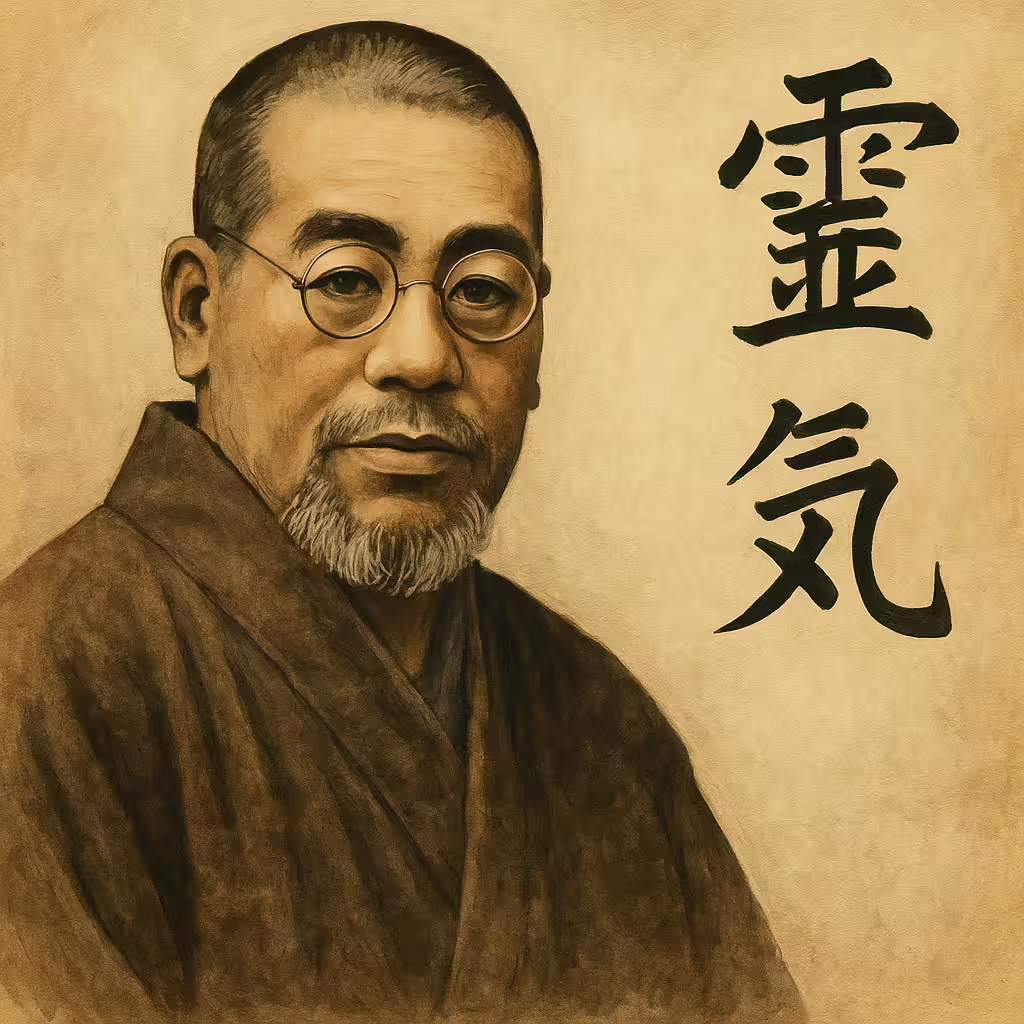
The Reiki system was rediscovered in the 19th century by Dr. Mikao Usui. After years of study, meditation, and spiritual quest on Mount Kurama in Japan, Usui experienced enlightenment and received insight into ancient healing knowledge. He developed the Reiki system, which is based on attunements, symbols, and five ethical principles.
REIKI was initially taught in Japan by Usui's students, such as Chujiro Hayashi, who developed it in the form of clinical therapy. Reiki was brought to the West by Hawayo Takata, who introduced the method to the United States in the 1930s. Thanks to her, Reiki spread around the world.
The Five Reiki Principles (Gokai)
- Just for today, do not anger (Kyo dake wa okoru na)
- Just for today, do not worry (Kyo dake wa shinpai suna)
- Just for today, be grateful (Kyo dake wa kansha shiro)
- Just for today, work diligently on yourself (Kyo dake wa gyo wo hageme)
- Just for today, be kind to others (Kyo dake wa hito ni shinsetsu ni)
These principles serve as an ethical code for all Reiki practitioners and help them live in harmony.
What Lies Behind the Name REI-KI
- Rei (霊): Often translated as "universal," "spiritual," "divine," or "spiritual wisdom." It refers to the omnipresent, intelligent energy that permeates the entire universe and is the source of all life. It is the driving force behind evolution and harmony.
- Ki (気): Means "life energy," "vital energy," or "life force." It is the individual energy that flows through every living being, responsible for vitality and functioning. In other cultures, it is known as Chi (China), Prana (India), or Mana (Hawaii).
Types of REIKI
Today, there are many forms of Reiki that have evolved over the years:
- Usui Reiki - The traditional system created by Mikao Usui.
- Kundalini Reiki - Focuses on the Kundalini energy, which is activated and harmonized in the body.
- Animal Reiki - A specialized method adapted to work with animals' energy fields.
- IMARA Reiki - An advanced form of Reiki known for working at a very high vibrational level.

How REIKI Works
A Reiki practitioner, after receiving attunements (harmonization of chakras and energy channels), becomes a channel for Rei-Ki energy. During a Reiki session, through hand placement in specific positions on the client's body (or in the aura around the body), the practitioner transfers this energy. This energy works intelligently, reaching where it is most needed, harmonizing and healing the body on all levels. Reiki is not the practitioner's own energy—it is universal energy flowing through them.
Types of USUI Reiki Sessions
In-Person Reiki Session
Usually takes place in a calm and relaxing environment. The client lies fully clothed on a comfortable table or sits in a chair. The practitioner gently places their hands on the client's body in various positions that correspond to the main chakras and organs. Sessions typically last from 45 to 90 minutes. Clients may experience warmth, tingling, vibrations, deep relaxation, or even visions.
Distance Reiki Session (Enkaku Chiryo)
One of the distinctive features of Reiki is the ability to send energy remotely. From a quantum physics perspective, everything in the universe is connected through an energetic field. Reiki energy, as a form of universal life energy, is not limited by traditional concepts of time and space. The practitioner uses symbols and intention to connect energetically with the recipient, creating a kind of "channel" through which energy flows.
Benefits of Reiki
Reiki can offer many benefits, such as:
- Stress and Tension Reduction: Reiki deeply relaxes, reducing stress, muscle tension, and anxiety.
- Strengthening the Immune System: Regular sessions can strengthen the body's natural defense mechanisms.
- Pain Relief: Reiki can help ease various types of pain, including chronic pain, migraines, and post-injury pain.
- Accelerated Healing Processes: Reiki supports the body's natural regenerative processes.
- Improved Sleep Quality: Reiki can help with insomnia and enhance the quality of sleep.
- Emotional Support: Reiki helps release blocked emotions, traumas, and negative thought patterns.
- Spiritual Development: Reiki supports self-awareness, intuitive development, and connection with one's Higher Self.
Reiki Levels
The traditional Usui Reiki system is divided into three main degrees:
- First Degree (Shoden): The student learns the basic Reiki techniques, hand positions, and receives the first attunements that open their energy channel.
- Second Degree (Okuden): The student learns Reiki symbols that enhance energy flow and allow distance healing and work with emotional and mental issues.
- Third Degree (Shinpiden/Master-Teacher): The student receives master-level attunements and learns how to attune others, becoming a Reiki teacher.
Reiki and Conventional Medicine
Reiki does not replace conventional medical treatment, but it can be a valuable complementary therapy. It can support the healing and recovery process, ease side effects of medications and chemotherapy, and improve overall well-being. It is a HOLISTIC therapy that encompasses body, mind, and spirit.
REIKI is a simple yet powerful method of healing and self-development. It is accessible to everyone, regardless of age, health condition, or beliefs. It can be used as a complementary therapy to conventional medicine and as a tool for personal growth and spiritual transformation.